
AWD vs. 4WD: Which Is Better for Indiana Winters?
Table of Contents
AWD vs. 4WD: Which Is Better for Indiana Winters?
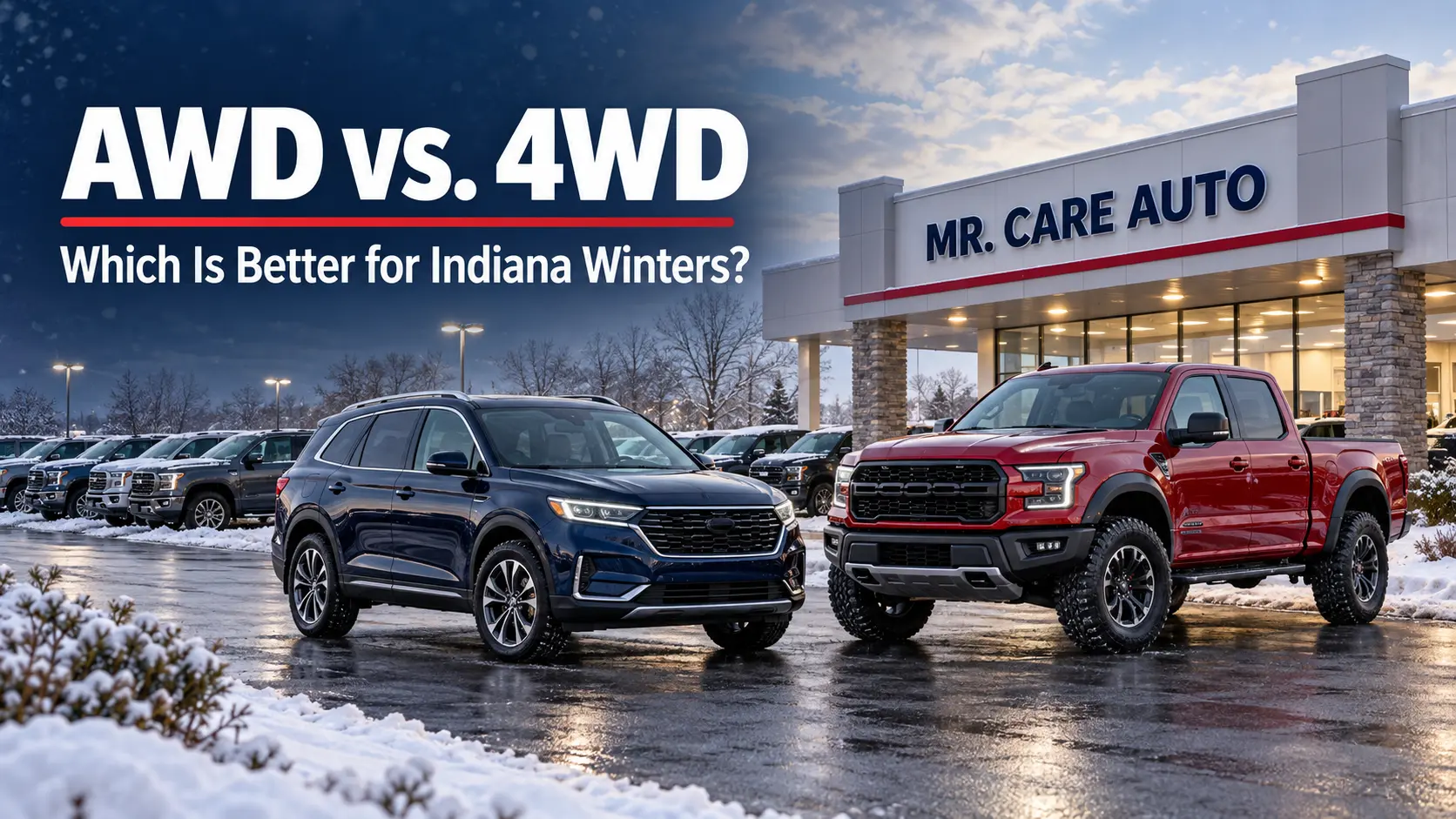
Indiana winters can be unpredictable. A clear morning commute can turn into snow, sleet, freezing rain, or slushy roads by the trip home. If you are shopping for a used truck or SUV, you may be wondering whether all-wheel drive (AWD) or four-wheel drive (4WD or 4x4) is the better choice.
Both systems can improve traction, but they are designed for somewhat different drivers and conditions. AWD is often the easiest choice for everyday winter driving, while 4WD is generally better suited to deeper snow, rough roads, towing, work, and off-road use.
At Mr. Care Auto in Camby, Indiana, we have helped drivers find dependable used vehicles since 1985. Because we specialize in trucks, SUVs, Jeeps, and 4x4s, we know that the right drivetrain depends on more than the badge on the vehicle. Your commute, road conditions, towing needs, tires, and driving habits all matter.
Looking for a winter-ready truck or SUV? Browse Mr. Care Auto's available AWD and 4x4 vehicles, or visit us in Camby to compare your options in person.
What Is All-Wheel Drive?
All-wheel drive is designed to provide additional traction automatically. In most AWD vehicles, the system monitors wheel speed and road conditions and sends power to the wheels that can use it. Some systems power all four wheels continuously, while others operate mainly in two-wheel drive and engage the other wheels when slipping is detected.
The main advantage is convenience: the driver usually does not need to switch the system on or decide which setting to use. That makes AWD especially appealing for daily commuting, changing weather, wet roads, light-to-moderate snow, and family driving.
AWD is commonly found on:
- Crossovers and family SUVs
- Some sedans and wagons
- Road-oriented compact and midsize SUVs
- Vehicles designed primarily for pavement
What Is Four-Wheel Drive?
Four-wheel drive—also written as 4WD, 4x4, or four-wheel drive—is commonly used on trucks and more rugged SUVs. A traditional 4WD system allows the driver to select a mode such as two-wheel drive, four-wheel-drive high, or four-wheel-drive low.
4WD High can provide extra traction on snow-covered roads, loose gravel, mud, sand, or other slippery surfaces. 4WD Low, when equipped, uses lower gearing for slow-speed situations that require maximum control or pulling power, such as deep snow, steep terrain, or certain off-road conditions.
Some newer vehicles also include an automatic 4WD setting that can engage the front wheels as needed. Because systems vary, drivers should read the owner's manual before selecting a 4WD mode—especially on dry pavement.
4WD is commonly found on:
- Full-size and midsize pickup trucks
- Jeep Wranglers and similar off-road vehicles
- Truck-based SUVs
- Vehicles built for towing, work, or rugged terrain
AWD vs. 4WD: What Is the Main Difference?
The simplest distinction is this:
- AWD is generally automatic and designed for changing everyday road conditions.
- 4WD is generally more rugged and gives the driver more control for difficult surfaces and demanding situations.
That does not make one system universally better. It means each one serves a somewhat different purpose
Which Is Better for Indiana Snow?
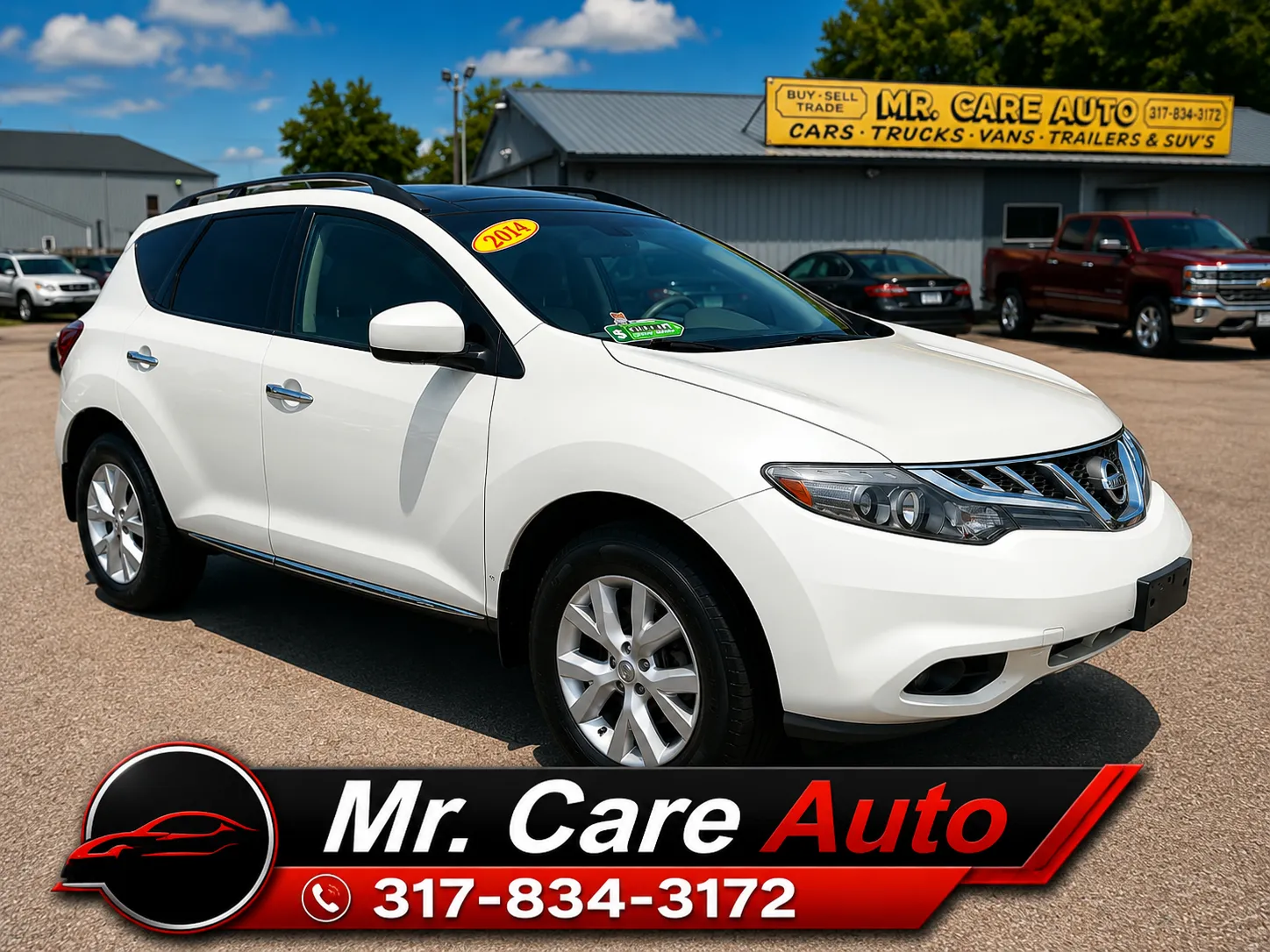
For most drivers traveling on plowed streets and highways around Camby, Indianapolis, Mooresville, Plainfield, Greenwood, Avon, and Martinsville, AWD is often the easiest and most practical choice. It responds automatically when conditions change and works well for commuting, family transportation, rain, slush, and moderate snow.
However, 4WD may be the better choice if you:
- Regularly travel on rural or unplowed roads
- Need to get through deeper snow
- Tow a trailer, camper, boat, or work equipment
- Drive on job sites, gravel, mud, or rough terrain
- Want a pickup truck or rugged SUV for year-round use
- Need low-range gearing for demanding conditions
An Indiana driver who mainly commutes on maintained roads may be very happy with an AWD SUV. A contractor pulling equipment, a rural homeowner navigating an unplowed road, or an outdoor enthusiast may benefit more from a 4x4 truck or SUV.
Does AWD or 4WD Help You Stop Faster?
This is one of the most important winter-driving facts: AWD and 4WD help primarily with acceleration and traction. They do not automatically make a vehicle stop faster on snow or ice.
Every vehicle uses all four tires when braking. The condition and type of those tires, the road surface, vehicle speed, following distance, and driver input strongly affect stopping and cornering.
An AWD or 4WD vehicle can give a driver extra confidence when moving forward, but that confidence should not lead to excessive speed. On ice, every drivetrain can lose traction.
Tires Matter More Than Many Drivers Realize
Even a sophisticated drivetrain can only work with the grip available at the tires. Before winter, inspect:
- Tread depth
- Uneven wear
- Cracks, bulges, or other damage
- Correct tire pressure
- Whether all four tires are compatible in size and type
Quality all-season tires may work well for many central Indiana drivers. Drivers who frequently encounter snow, ice, steep roads, or long winter commutes may benefit from a set of four winter tires.
Cold temperatures can also reduce tire pressure. Check it regularly and use the pressure listed on the vehicle's door-jamb label—not the maximum pressure printed on the tire's sidewall.
AWD or 4WD for a Family SUV?
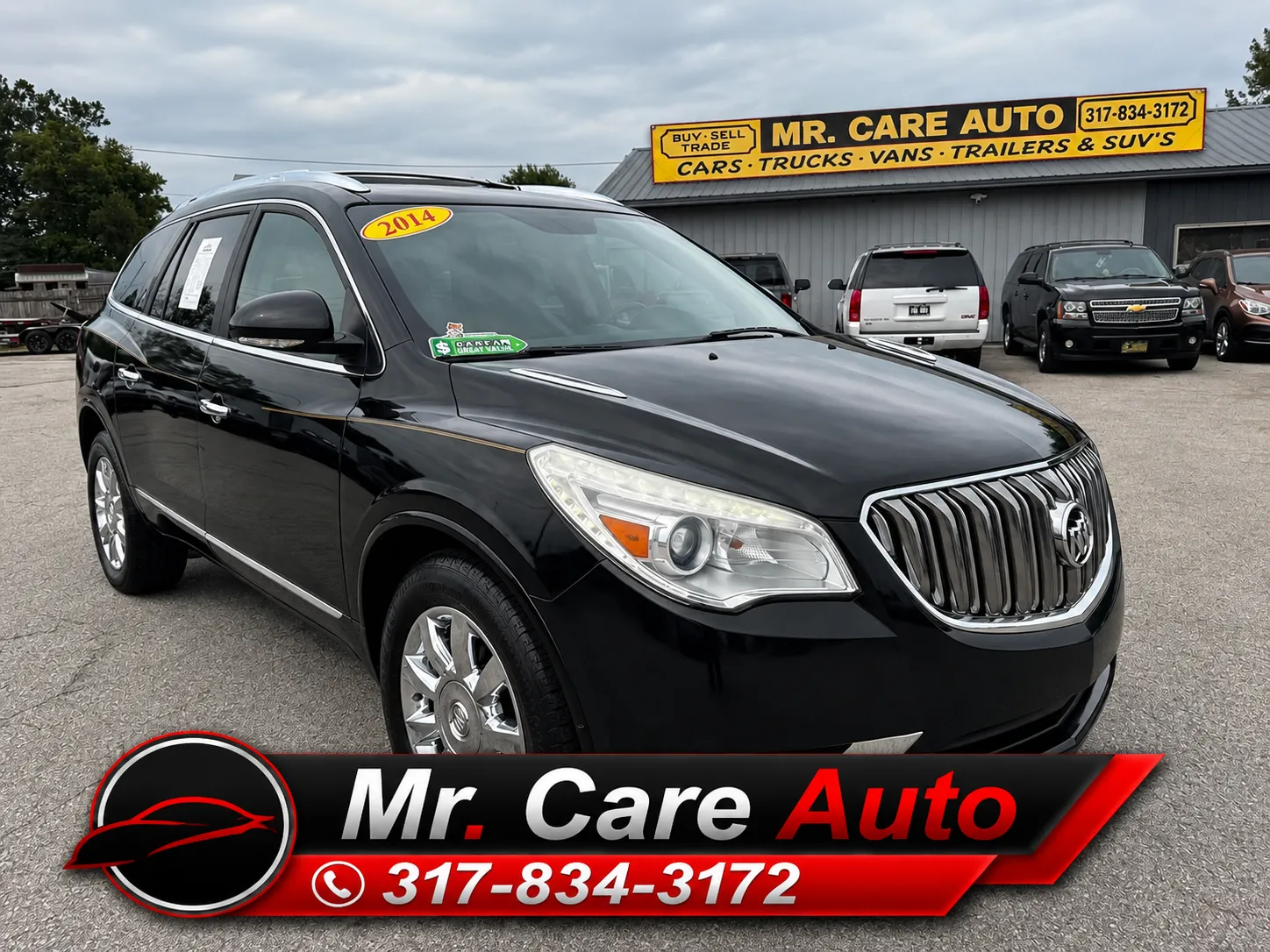
For most families, AWD offers a strong balance of winter traction, convenience, ride comfort, interior space, and everyday drivability. The system operates without much thought from the driver, which is useful when pavement changes from dry to wet or snow-covered during the same trip.
A 4WD SUV may be the better fit when the family also tows, camps, travels on rough roads, lives in a rural area, or needs additional ground clearance and capability.
The best choice is the one that fits how the vehicle will be used during the other eleven months of the year—not just during the biggest snowfall.
AWD or 4WD for a Pickup Truck?
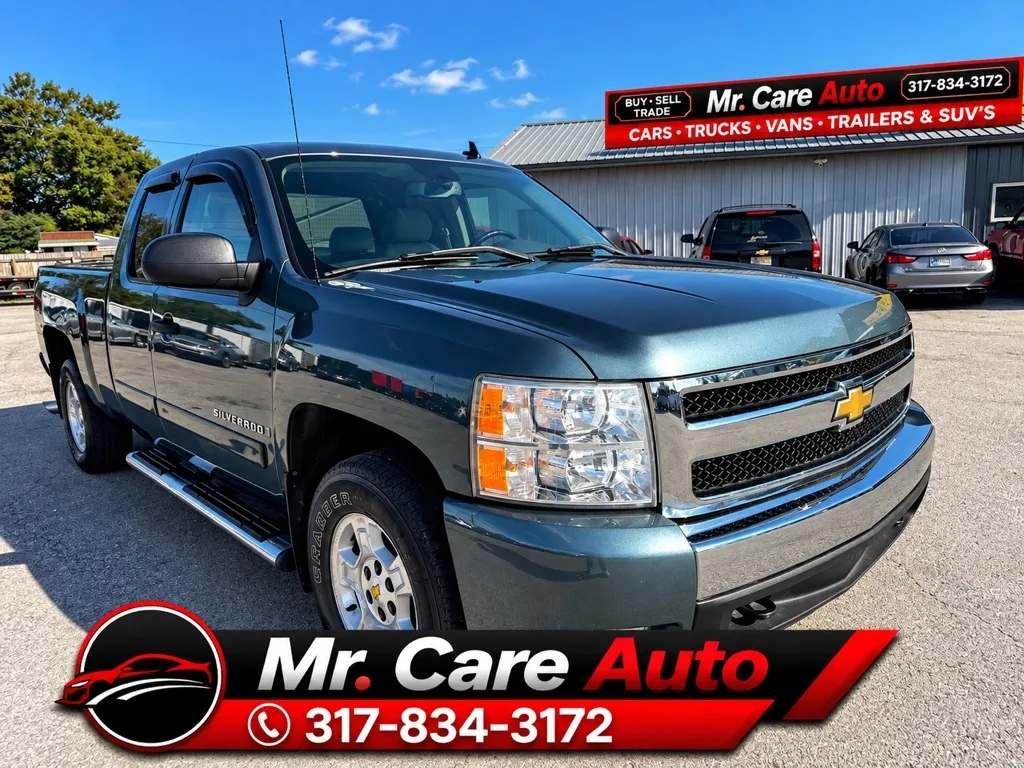
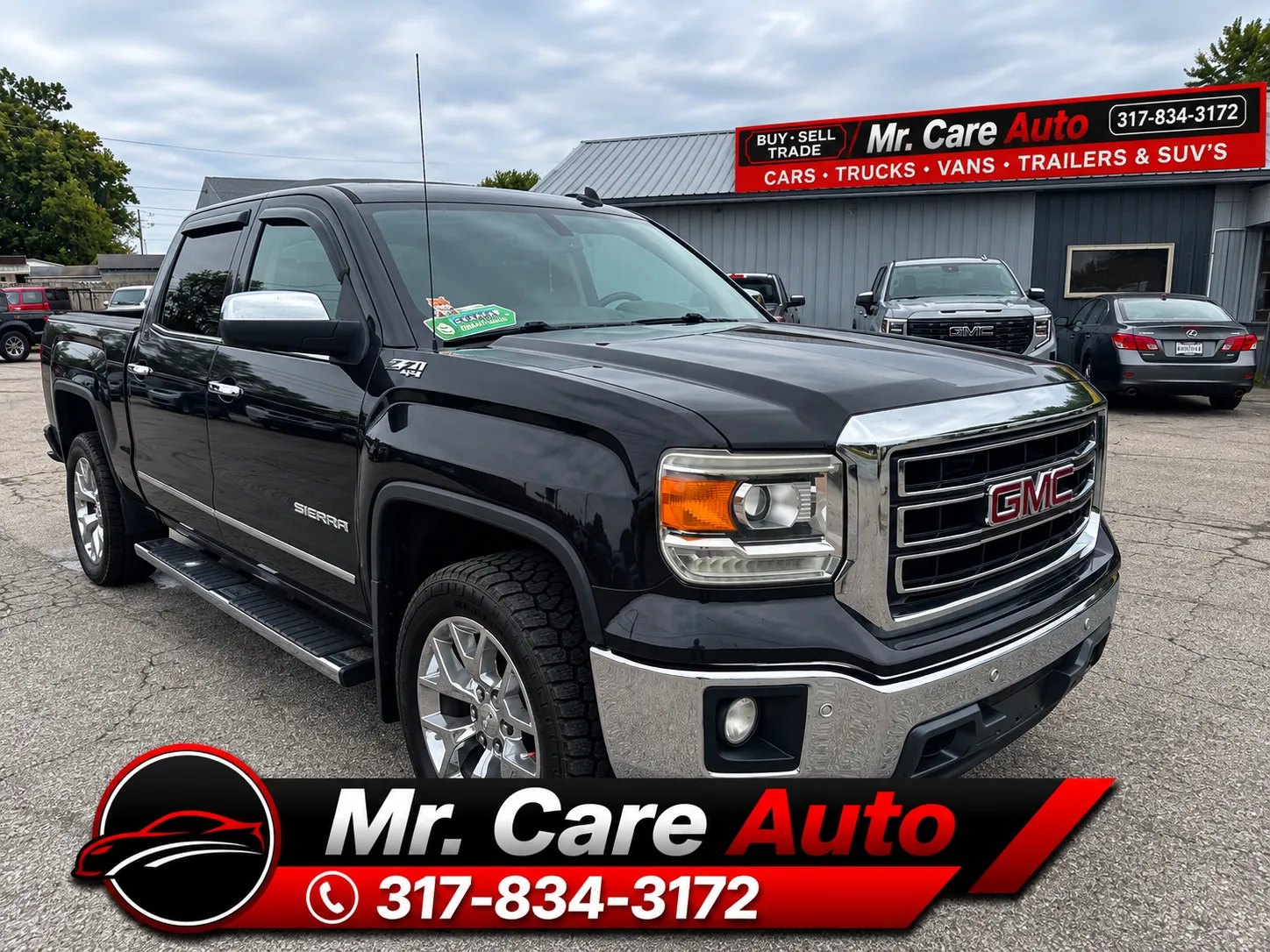
If you are buying a truck for work, towing, property maintenance, hunting, camping, or rural driving, 4WD can add valuable capability. It may also make a truck more appealing to future used-truck buyers in Indiana.
Still, not every truck owner needs 4WD. A two-wheel-drive truck may cost less, weigh less, and use less fuel. If the truck will primarily travel on paved roads and rarely face snow, mud, or job-site conditions, two-wheel drive may still be practical.
Consider the truck as a complete package, including:
- Payload and towing ratings
- Engine and transmission
- Cab and bed configuration
- Axle ratio
- Ground clearance
- Tires
- Service and ownership history
Drivetrain is important, but it should not be the only factor in your decision.
Does AWD or 4WD Use More Fuel?
It can. AWD and 4WD systems add components, weight, and mechanical resistance. That may reduce fuel economy compared with a similar two-wheel-drive model. The actual difference varies by vehicle and system design.
There may also be additional maintenance items, including transfer-case or differential fluids. On some AWD vehicles, mismatched tire sizes or significantly different tread depths can place stress on drivetrain components.
When comparing used vehicles, look at the official fuel-economy rating for the exact year, engine, drivetrain, and configuration rather than assuming every AWD or 4WD model performs the same.
What Should You Check When Buying a Used AWD or 4WD Vehicle?
An AWD or 4WD badge should not be the end of your inspection. Before purchasing, make sure the system operates correctly.
Important items include:
- Dashboard warning lights: Watch for AWD, 4WD, traction-control, ABS, or check-engine warnings.
- Proper engagement: If the vehicle has selectable 4WD, verify that the available modes engage and disengage correctly.
- Smooth operation: Listen for clunks, grinding, whining, binding, or vibration during the test drive.
- Tire consistency: Check that all four tires are the correct size and have reasonably even tread.
- Fluid leaks: Inspect for signs of leaks around the transfer case, transmission, axles, and differentials.
- Previous use: Look for excessive corrosion, underbody damage, or evidence of hard off-road or work use.
- Maintenance history: Ask whether drivetrain fluids and other scheduled services were completed.
A properly maintained higher-mileage system may be a better choice than a neglected lower-mileage one. Overall condition and service history matter.
Frequently Asked Questions
Is AWD the same as 4WD?
No. Both can power all four wheels, but AWD is typically automatic and designed for everyday road use. Traditional 4WD usually offers driver-selected modes and is built for more demanding conditions.
Is 4WD better than AWD on ice?
Neither system can create grip where little exists. Both may help the vehicle accelerate, but tires, speed, and driving technique are critical for turning and stopping on ice.
Can I leave 4WD on all the time?
It depends on the system. Some vehicles have a full-time or automatic 4WD mode. Traditional part-time 4WD may not be intended for dry pavement because drivetrain binding can occur. Follow the instructions for the specific vehicle.
Do I still need good tires with AWD?
Yes. AWD cannot compensate for worn or unsuitable tires. Tire condition affects acceleration, braking, cornering, and overall stability.
Is AWD or 4WD more expensive to maintain?
Either system can cost more to maintain than a comparable two-wheel-drive vehicle because it has additional components and fluids. Maintenance requirements and repair costs vary by model.
Is front-wheel drive enough for an Indiana winter?
For many drivers on regularly plowed roads, a front-wheel-drive vehicle with good tires can be a practical choice. AWD or 4WD becomes more valuable when road conditions, terrain, towing, work, or travel requirements demand additional traction.
Find the Right AWD SUV or 4x4 Truck at Mr. Care Auto
The right winter vehicle is not simply the one with the most aggressive badge. It is the one that fits your roads, responsibilities, budget, and year-round driving.
Choose AWD if you want automatic traction for commuting, family travel, rain, slush, and typical Indiana snowfall. Choose 4WD if you need deeper-snow ability, rugged performance, towing capability, work-site usefulness, or off-road versatility.
At Mr. Care Auto, we carry a changing selection of used trucks, SUVs, Jeeps, AWD vehicles, and 4x4s. Our team can help you compare drivetrain systems, vehicle condition, mileage, features, financing options, and available warranty protection without pressuring you into a vehicle that does not fit your needs.
Visit Mr. Care Auto in Camby, Indiana, and let us help you find a dependable vehicle for winter and every season that follows.
Mr. Care Auto
Quality Vehicles. Honest Service. Trusted Since 1985.
Suggested website buttons:
- Browse AWD & 4x4 Inventory — link to matching inventory
- Get Pre-Qualified — link to the secure credit application
- Value My Trade — link to the trade-in page
- Contact Mr. Care Auto — link to the contact page