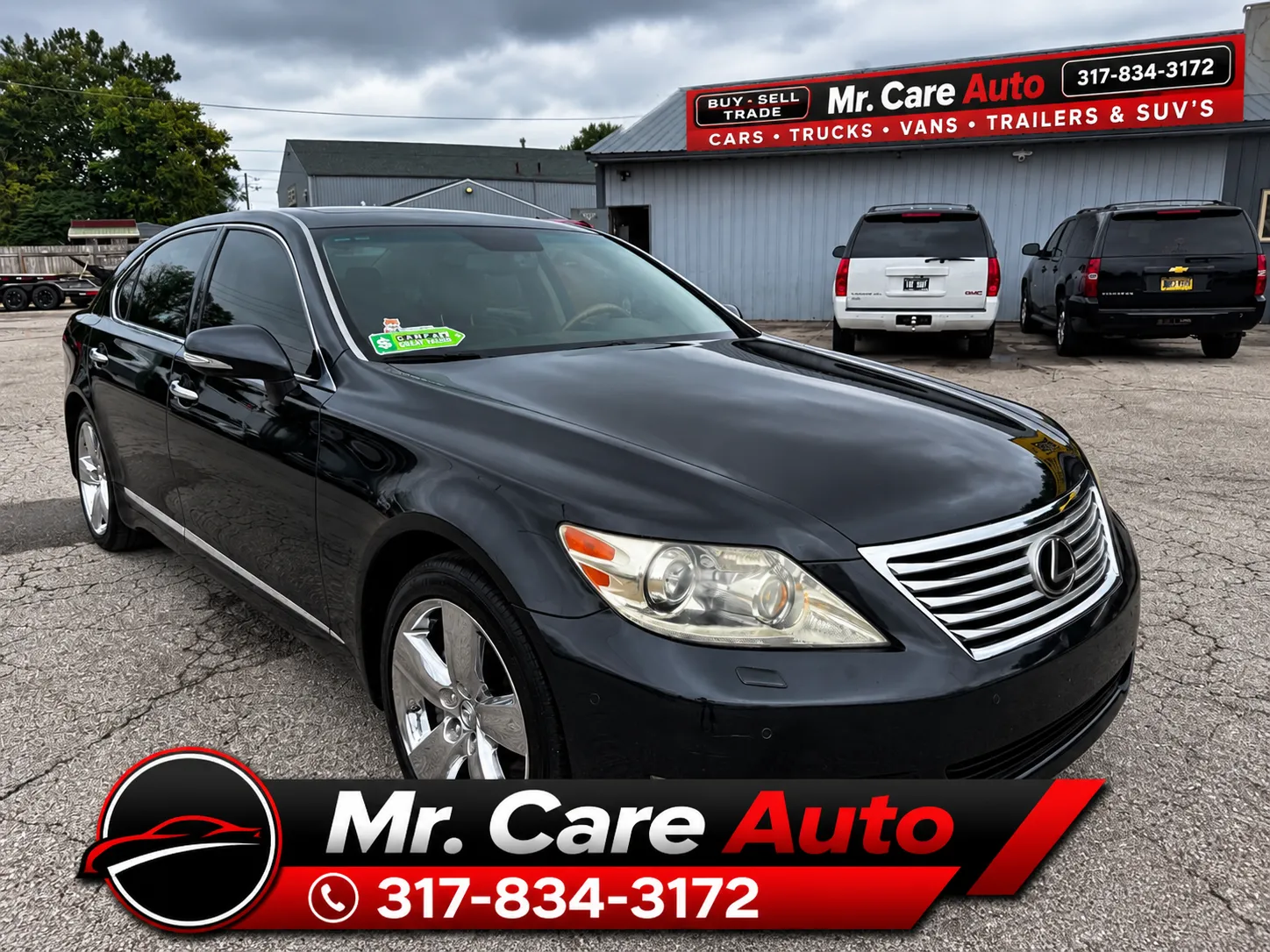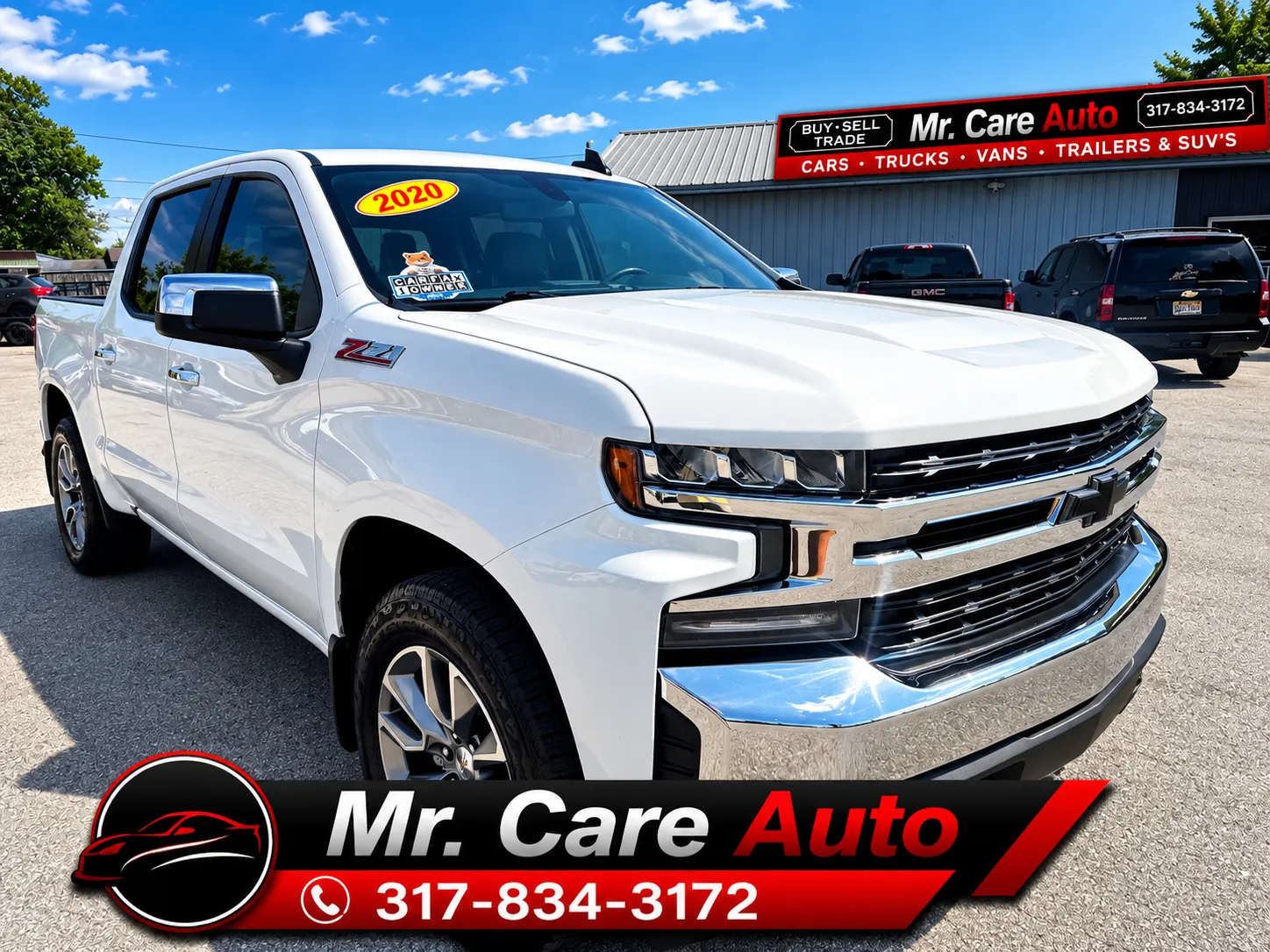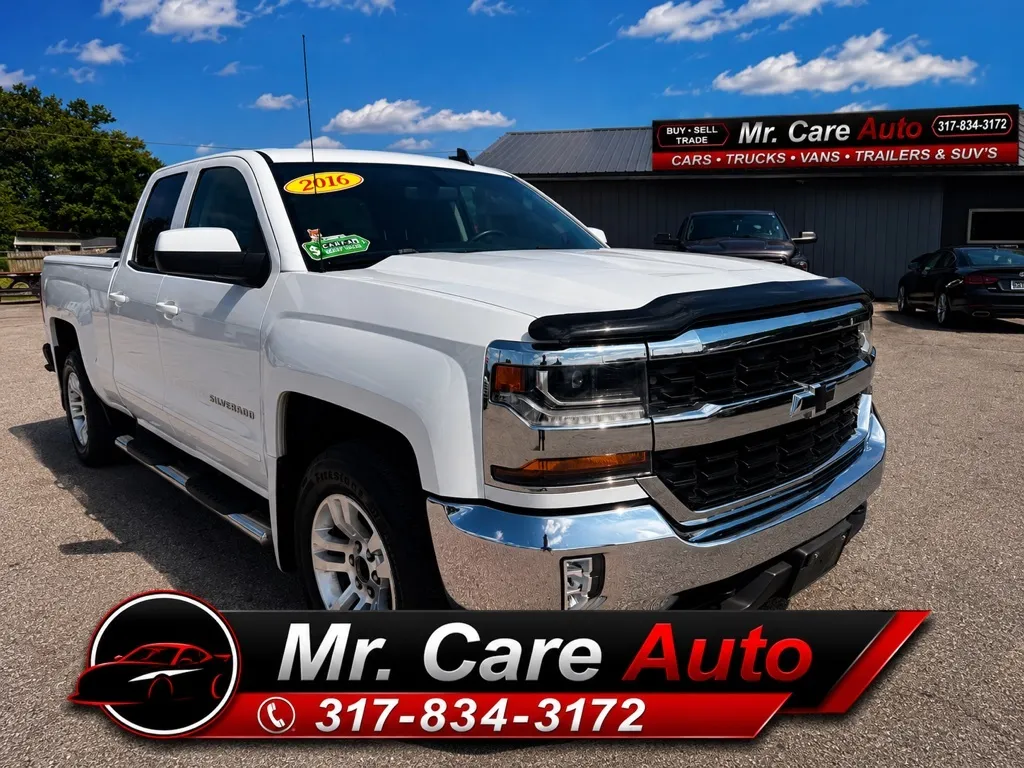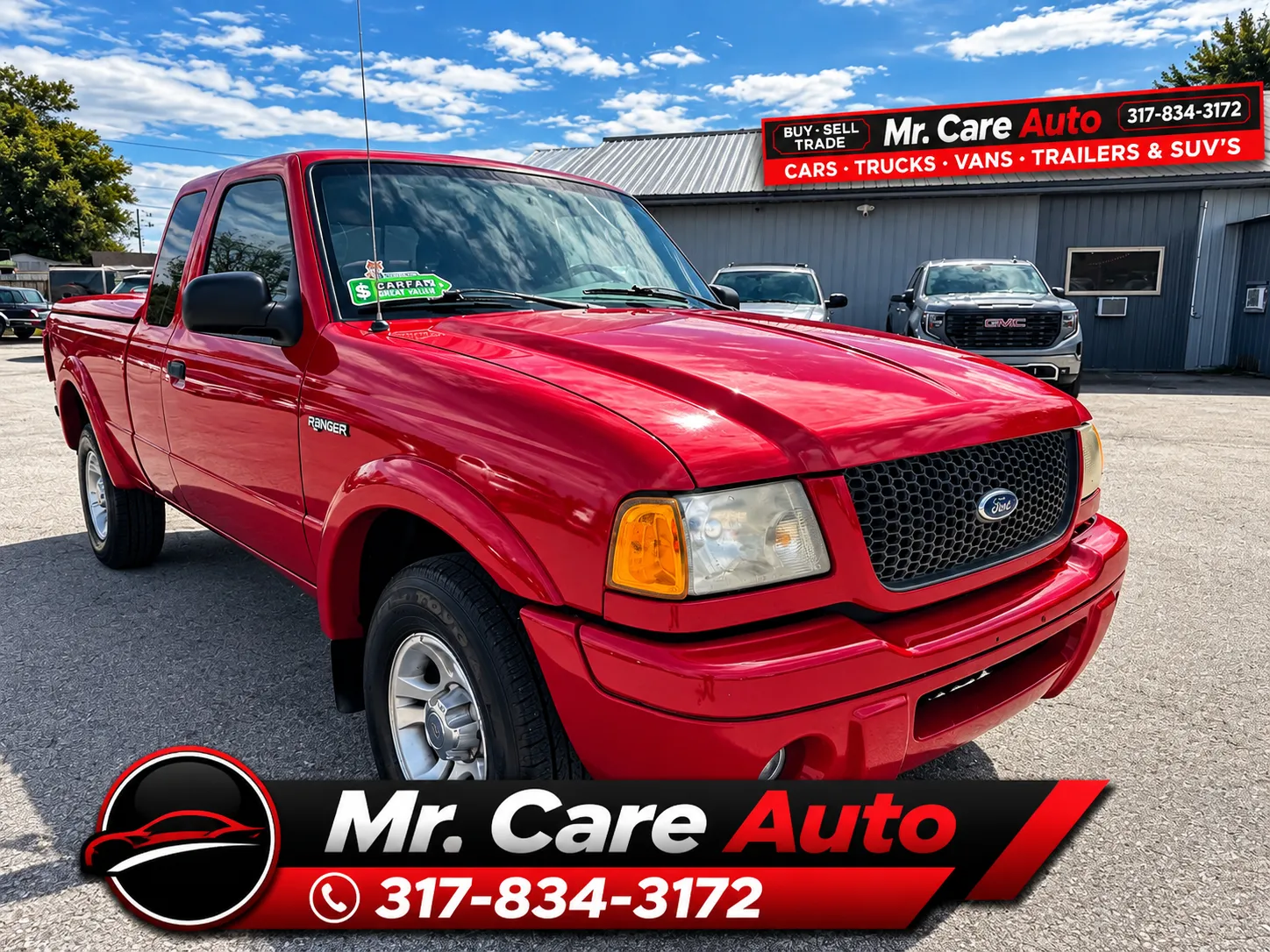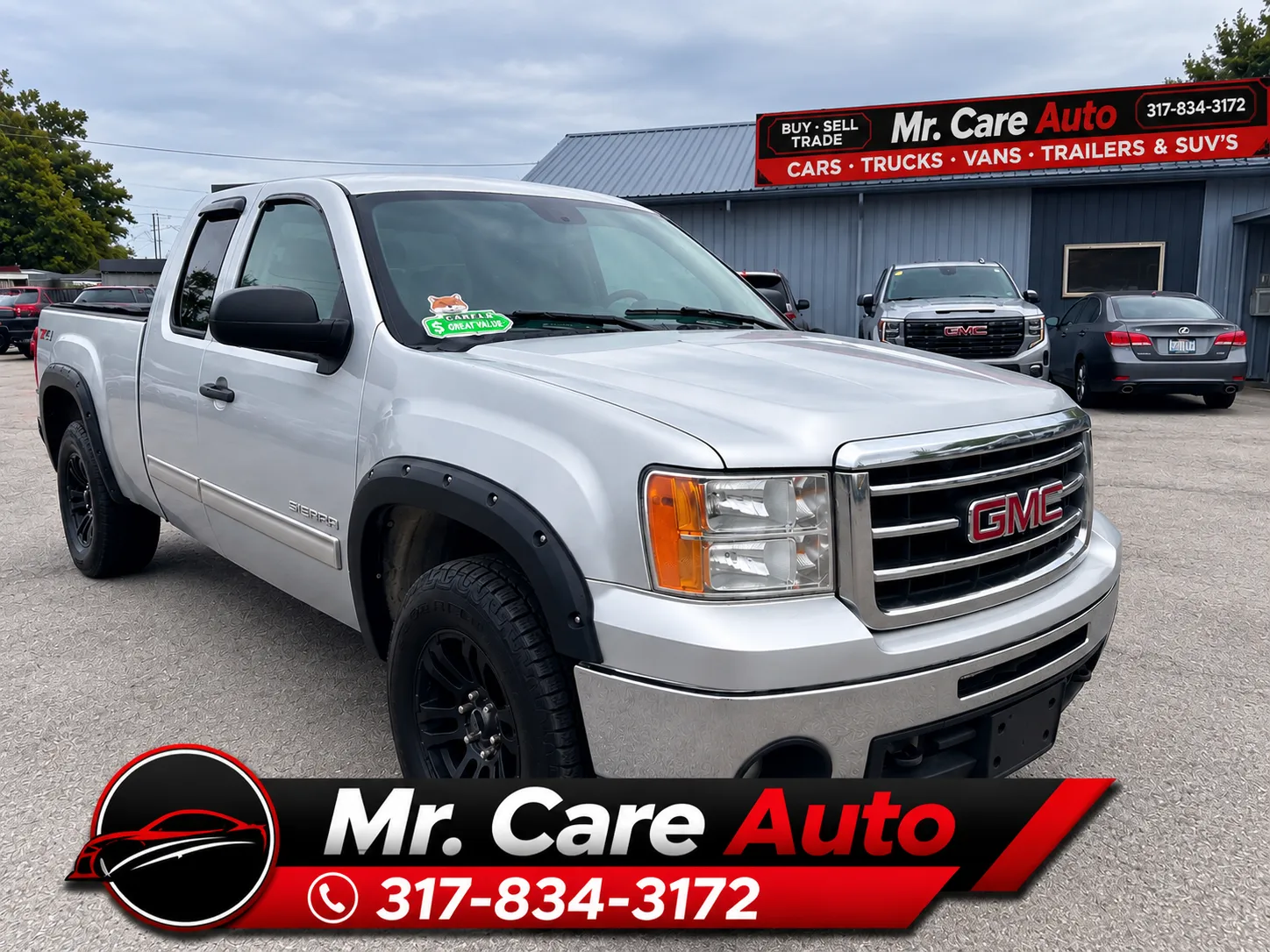

How Much Is My Trade-In Worth? 8 Factors That Determine Your Vehicle's Value
How Much Is My Trade-In Worth? 8 Factors That Determine Your Vehicle's Value
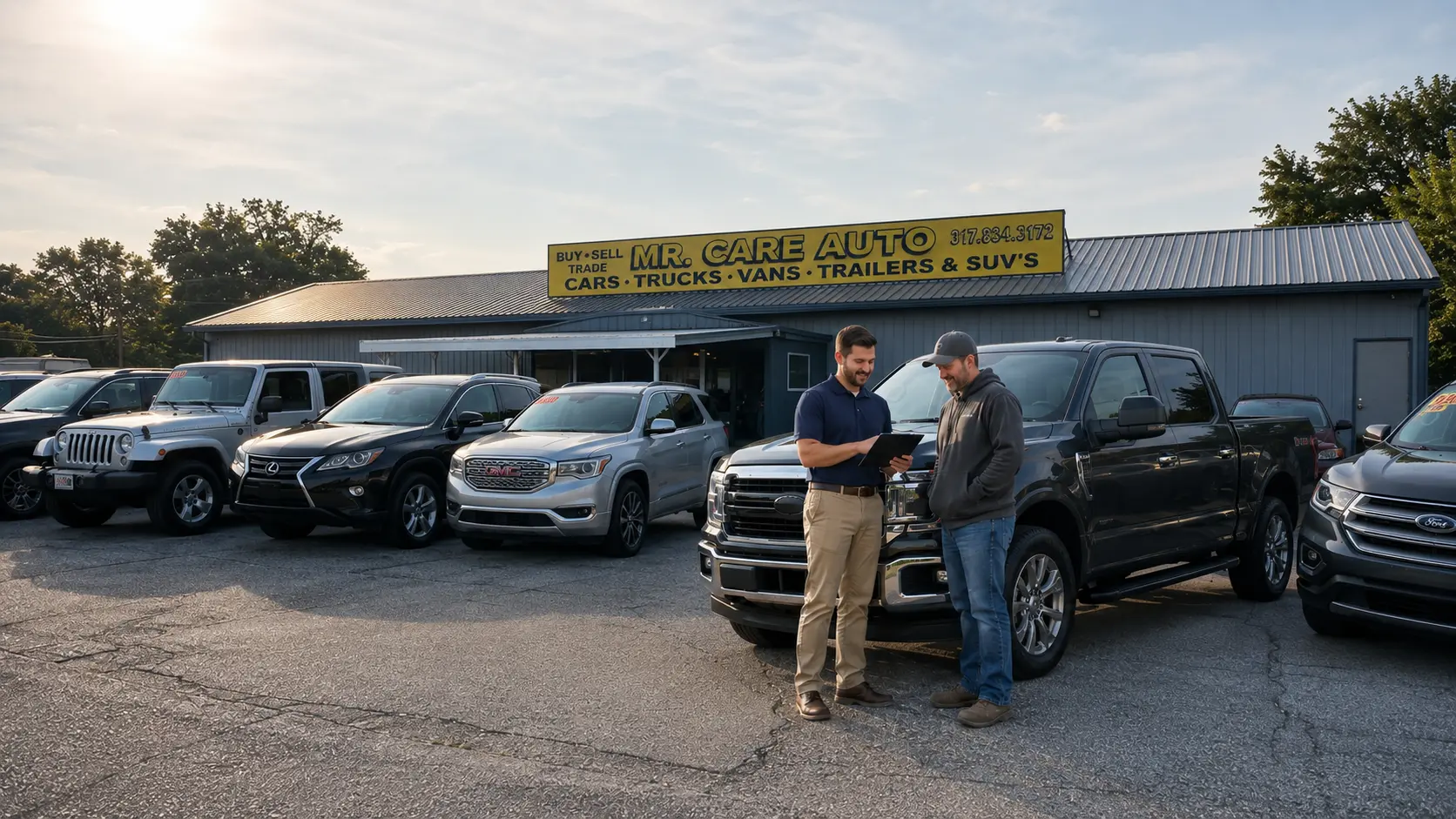
How Much Is My Trade-In Worth?
If you are thinking about replacing your current car, truck, or SUV, one of your first questions is probably: How much is my trade-in worth?
The honest answer is that a vehicle's trade-in value depends on more than a pricing-guide number. Its year, make, model, mileage, condition, equipment, history, local demand, and current market all play a part. A physical appraisal is usually the best way to determine what a dealership can offer for your specific vehicle.
At Mr. Care Auto in Camby, Indiana, we have helped customers buy, sell, and trade vehicles since 1985. We especially understand the market for used trucks, 4x4s, and SUVs. Our goal is to explain the appraisal clearly and help you understand how your trade may fit into your next purchase.
Ready to learn what your vehicle may be worth? Bring your car, truck, or SUV to Mr. Care Auto for an in-person trade-in appraisal. Be sure to bring your keys, registration or title information, and current loan payoff information if you still owe money on it.
What Is Trade-In Value?
Trade-in value is the amount a dealership is willing to credit toward your next vehicle in exchange for your current one. It is not necessarily the same as a private-party asking price or a dealership's retail price.
A dealer normally must account for inspection, mechanical or cosmetic repairs, detailing, transportation, marketing, and the possibility that the vehicle may need to be sold at auction. That is why an online estimate can be a helpful starting point, but it is not a guaranteed purchase offer.
Here are eight of the biggest factors that can affect your actual appraisal.
1. Year, Make, Model, and Trim Level
The basic identity of your vehicle creates the starting point for its value. Some makes and models hold their value better because they have a reputation for reliability or because more buyers are searching for them.
The trim level and factory equipment also matter. Depending on the vehicle and the local market, features such as four-wheel drive, leather seating, towing equipment, upgraded technology, a third row, or a premium package may increase buyer interest.
For trucks and SUVs, the exact configuration can make a major difference. Cab style, bed length, engine, drivetrain, towing package, and 4x4 capability may all affect demand.
2. Mileage
Mileage is one of the first details used in a trade-in appraisal, but it should not be considered by itself. Generally, lower mileage is helpful. However, a higher-mileage vehicle that has been serviced consistently may be more desirable than a lower-mileage vehicle that has been neglected.
The appraiser will consider the mileage in relation to the vehicle's age, type, condition, and expected remaining life. A work truck and a commuter car may be evaluated differently even when their odometers show similar numbers.
3. Mechanical Condition
How the vehicle drives can substantially affect its value. During an appraisal, a dealer may check or consider:
- Engine and transmission performance
- Warning lights or diagnostic trouble codes
- Brakes, steering, and suspension
- Tire condition and remaining tread
- Fluid leaks
- Heating and air-conditioning operation
- Four-wheel-drive operation
- Unusual noises, smoke, or vibrations
A warning light does not automatically make a vehicle untradeable, but needed repairs will usually be considered when calculating the offer.
4. Exterior and Interior Condition
Normal wear is expected on a used vehicle. Major damage, however, can change its value. Dents, deep scratches, rust, cracked glass, damaged wheels, worn upholstery, smoke odor, pet damage, stains, and missing interior pieces may require reconditioning before the vehicle can be resold.
You do not need to make an older vehicle look brand new before requesting an appraisal. A thorough cleaning and removing personal items can help present it well, but expensive cosmetic work may cost more than it adds to the trade-in offer. If you are unsure whether a repair is worthwhile, consider getting the appraisal first.
5. Accident, Title, and Ownership History
A vehicle history report may show prior accidents, title brands, odometer concerns, ownership changes, and some service information. The seriousness and quality of any previous repair matter—not every reported incident affects value in the same way.
A clean title will typically be easier to market than a vehicle with a salvage, rebuilt, flood, or other branded title. Be open about known damage or title issues so the dealership can provide the most accurate appraisal possible.
6. Maintenance and Service Records
Service records can help show that a vehicle has been cared for. Useful documentation may include oil-change history, major scheduled maintenance, transmission service, brake work, tire replacement, timing-belt service, and receipts for recent repairs.
You do not have to arrive with a perfect folder of receipts. However, providing the records you have may help the appraiser better understand the vehicle's condition and maintenance history.
7. Local Demand and Current Market Conditions
Vehicle values change as supply and buyer demand change. A model that is popular in one part of the country may receive less interest in another. Season, fuel prices, available inventory, and wholesale auction results can also influence current offers.
In Indiana, dependable trucks, SUVs, and four-wheel-drive vehicles often attract shoppers who need towing capability, family space, work capability, or confidence in changing weather. That does not guarantee a particular value, but local demand is an important part of a real-world appraisal.
8. Reconditioning and Resale Costs
An online valuation tool does not always know exactly what a vehicle will need before it can be offered for sale. A dealership must estimate expenses such as mechanical inspection, tires, brakes, body repair, detailing, transportation, and other reconditioning.
The likely resale path matters too. A vehicle that fits the dealership's inventory may be valued differently from one that will probably be sent to a wholesale auction. This is one reason trade-in offers can vary between dealerships.
How Can I Get More for My Trade-In?
Before your appraisal, a few practical steps can help the process go smoothly:
- Remove personal belongings and clean the interior.
- Wash the exterior so its condition can be evaluated easily.
- Gather both sets of keys and any remotes.
- Bring service records that you already have.
- Know your current mileage and major vehicle options.
- Bring title or registration information.
- If the vehicle is financed, request a current payoff amount from your lender.
- Be honest about known mechanical, accident, or title issues.
Avoid spending a large amount on repairs solely to increase the trade value without first comparing the repair cost with the likely benefit. In many cases, it is better to let the appraiser evaluate the vehicle as it is.
Can I Trade In a Vehicle I Still Owe Money On?
Yes. Many customers trade in vehicles that are not yet paid off. The important number is the difference between the vehicle's appraised value and the lender's payoff amount.
- Positive equity means the trade-in value is greater than the amount you owe. The difference may be applied toward your next purchase.
- Negative equity means the payoff is greater than the trade-in value. That remaining balance still must be addressed. Depending on lender approval and the complete transaction, it may need to be paid separately or may sometimes be included in the new financing, which increases the amount borrowed and the overall cost.
For example, if your trade is appraised at $15,000 but the payoff is $18,000, the vehicle has $3,000 in negative equity. Make sure you understand exactly how that amount is handled before signing a new contract.
Is an Online Trade-In Estimate Accurate?
Online tools can provide a useful range, but the result depends on accurate information and cannot replace an inspection. The actual vehicle may differ in condition, equipment, history, mechanical needs, or local demand.
For the most meaningful estimate, enter the correct trim, drivetrain, mileage, options, ZIP code, title status, and condition. Then compare that estimate with an in-person appraisal of the actual vehicle.
Should I Trade My Vehicle or Sell It Myself?
Selling privately may sometimes produce a higher selling price, but it also requires advertising, responding to inquiries, scheduling meetings and test drives, handling payment safely, and completing the paperwork.
Trading a vehicle is usually simpler. The dealership evaluates the vehicle, handles the trade paperwork, works with the existing lender when there is a payoff, and applies the agreed value to the replacement transaction. The right option depends on whether your priority is maximizing the possible selling price or simplifying the process.
Why Bring Your Trade to Mr. Care Auto?
Mr. Care Auto has served Indiana drivers since 1985. As a family-owned used vehicle dealership, we believe customers deserve an appraisal process that is straightforward and respectful.
We welcome cars, trucks, vans, SUVs, and 4x4 vehicles—not only vehicles originally purchased from us. Whether your trade is paid off, currently financed, in excellent condition, or has some wear, our team can inspect it and explain the next steps.
Conveniently located in Camby, Indiana, Mr. Care Auto serves drivers from Indianapolis, Mooresville, Plainfield, Greenwood, Avon, Martinsville, and surrounding communities.
Get a Trade-In Appraisal at Mr. Care Auto
If you have been searching for “how much is my trade-in worth?”, the best next step is to have your actual vehicle evaluated.
Bring your car, truck, SUV, or 4x4 to Mr. Care Auto and let our team review its mileage, equipment, history, condition, and current market demand. We will help you understand its trade-in value and how any available equity may fit into your next vehicle purchase.
Mr. Care Auto
Quality Vehicles. Honest Service. Trusted Since 1985.
Suggested website buttons:
- Value My Trade — link to the dealership's trade-in or contact form
- Browse Trucks & SUVs — link to current inventory
- Contact Mr. Care Auto — link to the contact page
Frequently Asked Questions About Trade-In Value
What information do I need to get my trade-in valued?
Helpful information includes the VIN, year, make, model, trim, drivetrain, mileage, major options, title status, accident history, mechanical condition, and your ZIP code. An in-person inspection is normally needed for a firm dealership offer.
Will a dealership take my trade if it has mechanical problems?
Possibly. Many dealerships consider vehicles in a wide range of conditions. Needed repairs will generally be reflected in the appraisal.
Does a clean vehicle get a better trade-in offer?
Condition affects value, and a clean vehicle is easier to inspect and present. Cleaning may help, but it will not erase mechanical problems, body damage, title history, or high mileage.
Can I trade in a vehicle without buying another one?
Policies vary by dealership. Contact Mr. Care Auto to discuss your specific vehicle and whether a direct purchase may be available.
Do modifications increase my truck's trade-in value?
Not always. Some buyers value certain upgrades, while heavily customized vehicles may appeal to a smaller market. The quality, condition, legality, and desirability of the modifications will all matter.
Is my trade-in value the same as its retail price?
No. Retail pricing generally reflects the vehicle after inspection, reconditioning, detailing, marketing, and other dealership costs. Trade-in value is the amount credited for the vehicle in its current condition.
.webp)